/* Fashion and Life Style Fashion and Life Style

Tuesday, June 11, 2013

Anti Aging Secrets


What's her secret?

By Ingela Ratledge
From Health magazine
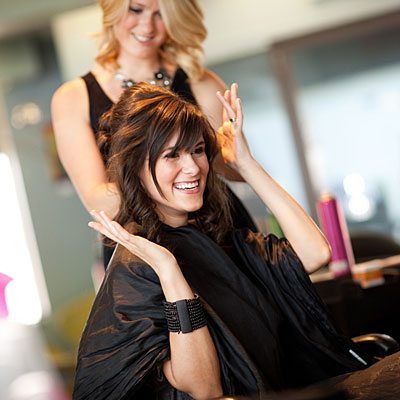
expert-hair-dresser
Credit: Getty Images

We’ve all been there: That moment midappointment when you catch yourself shamelessly staring at your hairdresser, dermatologist, or dentist and thinking, How the heck does she pull it off? What’s the secret to her great hair, pore-free complexion, or flawless teeth?

Well, we decided to go straight to the source and find out how to get that ageless look—naturally. We asked the beauty industry’s most sought-after stylists, aestheticians, and MDs to divulge their tricks for stopping the clock. If there’s no fountain of youth, their unexpectedly simple advice might be the next best thing.


Use sesame oil

"First thing every morning, I massage organic sesame oil from the health-food store all over my body. Working it in wakes me up and really gets my blood circulating. Plus, the oil hydrates my skin, giving it a healthy glow. Then I jump in the shower—the oil naturally cleans away dead skin cells."—Lisa Hedley, founder and creative director of the Mayflower Inn and Spa, Washington, Conn.

Consider fish oil

"Anti-inflammatories are the best anti-agers out there. From improving heart and immune functions to helping hair grow and skin look supple, they truly do wonders. I take three 500 milligram capsules of omega-3 fish oil in the morning and at night. I look for labels that say, 'molecularly distilled for purity,' which means pesticide-free."—Arlene Noodleman, MD, medical director of the Age Defy Dermatology and Wellness Center, Campbell, Calif.

Down that java

"I avoid stained teeth by drinking my coffee quickly. If you sip it over the course of an hour, it keeps coating and recoating. The same goes for other staining liquids, like tea and dark juices."—Elisa Mello, DDS, cosmetic dentist, New York City

Blow off base

"I've stopped using foundation every day, because it settles into wrinkles and makes them more noticeable. I start with a concealer just where I need it (under-eye area, blemishes, etc.) and follow it with an allover application of tinted moisturizer."—Joanna Schlip, celebrity makeup artist for Physician’s Formula

Keep it simple

"Because I'm a plastic surgeon, companies send me so many skin-care samples—and some of them have 10 different steps! But I'm realistic, so there's no way I'm going to sign up for some huge beauty system that costs hundreds of dollars and requires a commitment that I'm not willing to make. Honestly, here's my daily skin-care routine: I go home, wash my face with a drugstore cleanser, put on a moisturizer, and fall into bed. I find that this simple regimen works well for me."—Karen M. Horton, MD, plastic surgeon and reconstructive microsurgeon at the Women's Plastic Surgery Center, San Francisco

Don't eat white sugar...

"The number-one ingredient that I avoid in my diet is processed sugar. The reason: It speeds up the aging process by binding to and eventually weakening the collagen in your skin, which can lead to premature wrinkles and sagging. I eat lots of vegetables and fruits every day—and I steer clear of Twinkies at all costs!"—Ava Shamban, MD, dermatologist and owner of the Laser Institute for Dermatology and Skin care, Santa Monica, Calif.

...Scrub with it instead
"In the shower, I lather my hands with a mild cleanser, add a handful of white sugar, and slather it all over my face and body. It makes my skin so smooth and creates a great canvas for makeup."—Carmindy, celebrity makeup artist

Add body while you sleep

"At night, I straighten my hair with a flat iron and put it up in a loose ponytail right above my forehead—it's not cute, but I don't care—and wear it like that all night. When I take it down in the morning, it has such a youthful bounce to it."—Laura Hittleman, corporate director of beauty services, Canyon Ranch, Tucson, Ariz.

Pamper your eye area

"I treat the skin around my eyes separately. Face creams can be too irritating, but products made for this delicate area work wonders for smoothing fine lines. I prefer to use a gel formula; the lightweight consistency keeps my eye makeup looking fresh all day."—Laura Hittleman, Canyon Ranch

Spa up your hands

"I was really beginning to notice signs of aging on my hands, so I started taking care of them with the same routine that I use to take care of my face. Every time I exfoliate or use a mask on my face, I exfoliate or apply that same mask to my hands, too. I also use an enzyme concentrate on both my face and hands. I think this has made a big difference."—Kirsten Combs, spa director, Mii Amo, Sedona, Ariz.

Massage away stress

"I absolutely believe in massage. Moving blocked energy makes me feel younger from the inside out. I especially love reflexology and deep-tissue massage.

If you don’t have the time or money to get one regularly, you can achieve a lot of the same benefits by taking 20 minutes each day to stretch, meditate, and calm yourself, breathing deeply in and out."—Lisa Hedley, Mayflower Inn and Spa

Wear your vitamins

"I use an over-the-counter topical vitamin C cream that has a 30% concentration. It's a wonderful antioxidant that helps my skin repair itself from sun damage. Plus, it has natural sunscreen properties in it, so combining it with my daily SPF has a synergistic effect."—Arlene Noodleman, MD, medical director of the Age Defy Dermatology and Wellness Center, Campbell, Calif.

Freshen up with fruit

"I snack on anything with malic acid—like strawberries, apples, and grapes—which act as a natural tooth cleanser and help break down stains."—Elisa Mello, DDS, cosmetic dentist, New York City.

In a rush? Think primer

"If I'm running out of the house and don't have time for makeup, I just put an illuminating primer all over my face and chest. It contains tiny reflective particles that help bounce light around the skin and make fine lines less noticeable."—Carmindy, makeup artist and co-creator of Sally Hansen’s Natural Beauty Inspired by Carmindy.

Work an angle

"I wear my hair layered around my face, even if it's just a tiny bit of fringe around the cheeks. This style has a lifting effect on my features; cuts that are all one length draw the eye downward and give the illusion of droopiness."—Ann Minahan, hair stylist and owner of Riah Salon, New York City

Try this hair trick

"Instead of using a styling gel to control my curls, I scrunch a nickel-size amount of conditioner or treatment mask into my damp hair before blow-drying. The conditioner not only tames flyaways and frizz but also provides serious hydration, which, I believe, is the key to younger-looking hair."—Rita Hazan, celebrity colorist and owner of Rita Hazan Salon in New York City

Love your lashes

"I take care of my lashes, so they don't get brittle and dry—and eventually fall out. My secret: When applying my eye cream at night, I dab a little bit extra onto the tips of my lashes with my fingers so they stay moisturized and healthy."—Joanna Schlip, celebrity makeup artist.


Saturday, June 8, 2013

How to Beat Insomia

Insomnia

General insomnia is a classification of sleep disorders in which a person has trouble falling asleep, staying asleep, or waking up too early. These disorders may also be defined by an overall poor quality of sleep. 


Can't sleep?

You don't have to lie awake for hours past your bedtime to have insomnia. The condition can manifest itself in several ways.
Yes, you may have trouble falling asleep (known as sleep-onset insomnia), but some people have problems staying asleep (sleep-maintaining insomnia) or waking up too early (early morning awakening).
Sleep specialists may look for an underlying cause, such as a medical condition or psychological issue. Here are 11 classifications of insomnia, developed by the American Academy of Sleep Medicine. 

Adjustment insomnia

This disorder, also called acute insomnia or short-term insomnia, disturbs your sleep and usually stems from stress. The sleep problem ends when the source of stress is gone or when you adapt to the stress. The stress does not always come from a negative experience. Something positive can make you too excited to sleep well.

Behavioral insomnia of childhood

This condition occurs when children don't go to bed on time unless a parent or guardian enforces a bedtime. If the children are made to go to bed at a specified time, then they tend to fall asleep at a normal hour. If they are not given strict bedtimes, then they may linger awake for hours at night.

Idiopathic insomnia

Idiopathic insomnia is a lifelong sleep disorder that starts during infancy or childhood and continues into adulthood. This insomnia cannot be explained by other causes. It is not a result of any of the following.
  • Other sleep disorders
  • Medical problems
  • Psychiatric disorders
  • Stressful events
  • Medication use
  • Other behaviors
It may result from an imbalance in your body, such as an overactive awakening system and/or an underactive sleep system, but the true cause of this disorder is still unclear.

Insomnia due to a drug or substance

This type of insomnia is directly related to the use of any of the following substances:
  • Medication
  • Caffeine
  • Alcohol
  • A food item
Your sleep is disrupted by your use of the substance. This type of sleep problem may also occur when you stop using a substance.

Insomnia due to a medical condition

This insomnia is caused by a mental health disorder. The insomnia is a symptom of the disorder. The course and severity of insomnia are directly linked to that of the mental health disorder, but the insomnia is a separate focus of treatment. This insomnia is a disorder only if it is severe enough to require separate treatment.

Insomnia non organic, unspecified

This type of insomnia suggests that known substances and other physical causes of the insomnia have been ruled out. This means that the cause of insomnia is most likely due to an underlying mental health disorder, psychological factor, or sleep disruptive behaviors.

The name may also be used on a temporary basis while further evaluation and testing are completed. It is the name used when a person with insomnia does not meet the criteria for another type of insomnia.

Insomnia organic, unspecified

This type of insomnia is caused by a medical disorder, physical condition, or substance exposure. But the specific cause remains unclear. Further testing is required to discover the exact cause. The name may be used on a temporary basis while further evaluation and testing are completed.

Paradoxical insomnia

Paradoxical insomnia is a complaint of severe insomnia. It occurs without objective evidence of any sleep disturbance. Daytime effects vary in severity, but they tend to be far less severe than one would expect given the expressed sleep complaints.

People with this disorder often report little or no sleep for one or more nights. They also describe having an intense awareness of the external environment or internal processes consistent with being awake. This awareness suggests a state of hyperarousal. A key feature is an overestimation of the time it takes them to fall asleep. They also underestimate their total sleep time.

Psycho physiological insomnia

This insomnia is associated with excessive worrying, specifically focused on not being able to sleep. The insomnia may begin suddenly following an event or develop slowly over many years.

People with this sleep disorder worry too much about their insomnia and about being tired the next day. As a result, they learn to become tense and anxious as bedtime approaches. They may have racing thoughts that all relate to insomnia and trying to fall asleep. As they worry about falling asleep, they become more and more tense, which makes it less likely that they will be able to fall asleep.
Read more.......


Wednesday, May 29, 2013

How to Slimming Vacation


slimming-vacations-guide
 Credit: Kicka Witte/kickawitte.com

The ultimate vacation

By Karen Asp
From Health magazine
You go somewhere luxe, indulge away, and come back thinner. Our experts canvassed the country to find 10 standout trips that make it easy to eat healthy and get toned without trying.

Our healthy-travel judges then ranked these top U.S. destinations, based on how nutritious and tasty the food is, how active you’ll want to be while you’re there (in other words, how creative and fun the exercise options are), how much private coaching is at your fingertips, and whether you’ll pick up healthy habits to bring home. Jet off to one of these places this summer and your souvenir just might be a smaller dress size.

Meet our judges

Samantha Brown is the host of Travel Channel shows including Great Weekends and Passport to Europe.
Melisse Gelula is the co-founder of WellandGoodNYC.com; she is also the former editor-in-chief of spafinderlifestyle.com.
Jim Kaese is a hotel gym expert and Editor in Chief for AthleticMindedTraveler.com.

Credit: Courtesy of Miraval Arizona

No. 1 Miraval Resort & Spa

miraval-food-lambTucson, Arizona
How to travel: alone, with your partner, with girlfriends

The peaceful desert setting at Miraval will inspire your sweat sessions; all meals are under 450 calories.

An exhilarating zip-line trip through the desert. A flavorful, grass-fed beef tenderloin under 350 calories. The premier integrative-wellness program founded by mind-body guru Andrew Weil. These are just a few of the reasons why Miraval snagged the top spot. "You leave there feeling lighter in spirit and slimmer in your waistline," says Melisse Gelula, one of our panelists and co-founder of Well & Good NYC, a healthy-lifestyle Web site. Food-wise, dishes are portion-controlled, locally sourced, and delicious.

Credit: Getty Images

How to increase your focus

By Karen Pallarito
late-for-workYou’re late to work (again), behind on a project, or can’t remember the action points from the last meeting. If you’re one of the roughly 10 million U.S. adults with attention deficit hyperactivity disorder (ADHD), it can be a constant challenge to stay on task.

Anthony Rostain, MD, professor of psychiatry and pediatrics at the University of Pennsylvania School of Medicine, in Philadelphia, says you can get distracted by external stimuli like noise or internal stimuli like daydreaming; these different distractions require different coping strategies, he explains.

Here’s how to pinpoint your weaknesses and 10 strategies for getting the job done. 

Write it down

If you want to raise an important point in a conference call, but don’t want to butt in, you may not absorb what the others are saying while you wait to bring it up.

Better to jot down a keyword to remind yourself what you want to say, says Linda Richmand, a Westchester County, N.Y., certified professional coach with a specialty in adult ADHD and ADD. "Now you’re ready to fully attend."

She recommends keeping a "random-thought pad" on hand, whether you are at your computer or folding laundry. Enter important reminders and any brilliant ideas that pop into your head so that you are less distracted by them as you work on the present task....read more


Thursday, May 16, 2013

Tips: How to Get More Energy

All-day energy

By Viriginia Sole-Smith
From Health magazine
We work, we plan, we organize, we go, fueling ourselves on coffee and pure determination. Until, that is, we fall onto the sofa in a stupor. More of us are struggling with energy issues, experts say; they point to the weak economy, which has us working harder and plugging in longer, and the belief that we can have it all (so what if we’re up till midnight making it happen).

“Just like houseplants need water, our energy reserves need regular replenishing," says psychologist Michelle Segar, PhD, associate director of the Sport, Health, and Activity Research and Policy Center for Women and Girls at the University of Michigan.

To the rescue: strategies that will keep you humming along—and, happily, don’t take much effort.

Stay energized all morning

What works against your a.m. mojo: "We've been essentially in a starvation state all night," says Gregory Dodell, MD, an endocrinologist in New York City.

What's working for you: "At the same time, we experience spikes in cortisol and testosterone, important hormones for energy that help get us moving," Dr. Dodell adds.

You want to fuel up and max out that hormone high. The plan: Lights! Action! Breakfast! 

Don't delay the day

It’s so tempting to hit snooze when your alarm goes off in the morning. Problem is, “by falling back asleep you could be interrupting the hormone cycle, which can make it harder to get going,” Dr. Dodell says.

Better to just set your alarm for 15 minutes later—and keep your clock across the room so you can’t reach out and silence it. 

Let in light

"Artificial or natural, light helps optimize the body's wake-up processes," says Michael Terman, PhD, director of the Center for Light Treatment and Biological Rhythms at Columbia Presbyterian Medical Center in New York City. Roll up the shades or, if it's still dark outside, turn on lights.

Terman recommends compact fluorescent bulbs (CFLs) labeled "cool white" or "daylight." They're not just good for Mother Earth, he says: "CFLs with these color temperatures emit a white light closer to outdoor light than the yellowish kind from incandescents." 

Ease into things

"Roll out of bed and into the frenetic pace of getting everybody ready and you're exhausted right out of the gate," says time-management expert Julie Morgenstern, author of Never Check E-mail in the Morning.

Get up 15 minutes before the kids so you can shower and get dressed. And, yes, avoid the siren call of email: "Facing an onslaught of to-dos can be a big drain if you haven't cleared your mind first."

Get moving

Not an a.m. exerciser? Rethink your idea of a workout. In a University of Georgia study, people who did a low-intensity aerobic activity (think a leisurely walk) three times a week had a greater reduction in fatigue levels than folks who did higher intensity workouts (like a faster-paced walk with hills) for the same amount of time.

If you tend to drag in the morning or you’re overall exhausted, a tough workout can be more draining than invigorating. “And if you’re not in top shape, a high-intensity workout forces you to expend major energy, leaving your body tired,” says exercise physiologist Michael Bracko, EdD.

Motivation to do some activity: The study found regular exercise generally increased energy levels by 20%.
readmore articles....


Fashion: Naomi Campbell brings her hit show to the UK 

Supermodel Naomi Campbell has brought her hit TV show, The Face, to Britain for a UK version of the program. Co-starring alongside Ms Campbell will be Erin O’Connor and Swedish model Caroline Winberg as judges and mentors.


Sunday, May 5, 2013

"All you need is love. But a little chocolate now and then doesn't hurt."

"Semua yang anda butuhkan adalah cinta. Berikanlan sedikit coklat dan anda tidak akan terluka"

Actually, chocolate can make life better. Dark chocolate may lower your risk of heart disease by reducing blood glucose and bad cholesterol while boosting levels of good cholesterol. The reason: Chocolate contains compounds called flavanols, which have antioxidant and anti-inflammatory properties. read more the tips.....


Get ready to dance: Dance yourself slim

By Jenny Everett
From Health magazine
Most of us weren't born with the flexibility of an Olympic gymnast—and that includes ABC's Dancing With the Stars pro Cheryl Burke. "I am not one of those girls who can just land in a split," says Cheryl, 28. "I need to warm up to be flexible."

Before you launch into a dance workout, Burke recommends doing this eight-minute warm-up routine, which stretches and strengthens the muscles surrounding the hips, thighs, and ankles. Three days a week, begin with two minutes of jumping jacks and dive into these moves. DWTS-style heels—strictly optional! 

Tips: 5 Foods for Healthy Skin

Feed your face

By Rachel Grumman
Here’s a beautiful reason to stop by the supermarket today: Certain foods have powerhouse ingredients that keep skin supple and smooth and help fight age-related damage, says Nicholas Perricone, MD, a board-certified dermatologist and author of Ageless Face, Ageless Mind. Wondering what to eat and what to smooth on? These skin-saving foods help both ways.

Strawberries

Strawberries have more anti-aging vitamin C per serving than oranges or grapefruit. And research published in the American Journal of Clinical Nutrition shows that people who eat foods rich in vitamin C have fewer wrinkles and less age-related dry skin than those who don’t.

Vitamin C fights free radicals, which damage cells and break down collagen, leading to fine lines. For smoother, better-hydrated skin, apply a natural berry mask once or twice a week, and eat vitamin C–rich foods daily, says Ramona Ionescu, primary aesthetician at New York City’s Cornelia Day Resort. 

Sip it or smooth it on

In a food processor or blender, combine 1 cup frozen or fresh strawberries (or a mix of strawberries, raspberries, and blueberries—they’re all antioxidant stars). Stir together blended berries, 1 cup vanilla or plain yogurt, and 1 1/2 tablespoons honey (a great moisturizer) in an 8-ounce glass. Enjoy smoothie, setting aside enough to coat your face.

Apply remaining smoothie to your face over a sink (it’s a little drippy at first, but a smooth layer will stay put), and leave it on for about 8 minutes before rinsing off.

Olive oil

The antioxidant and anti-inflammatory properties of olive oil don’t just benefit you on the inside—they soften your skin, too. “Ancient Romans massaged olive oil into their skin,” Dr. Perricone says. “When used topically, olive oil results in smoother, more radiant skin.” Plus, consuming olive oil, a staple in the healthy Mediterranean diet, provides antioxidants to disarm free radicals and reduce inflammation. In addition to working olive oil into your daily diet, apply as a lip gloss and skin soother, as needed. If you have dry skin, you’ll particularly benefit from topical application.

Eat it or wear it

At dinner, drizzle a few tablespoons of extra-virgin olive oil into a small bowl, and dip whole-grain bread in it to improve your skin from the inside out.

Dab a pea-size amount of extra-virgin olive oil on lips to hydrate a parched pucker; or use it on rough patches (think elbows and heels), as needed.

Green tea

Curling up to a cup of green tea does a lot more than relax you. Green tea is filled with inflammation-fighting antioxidants, Dr. Perricone says. What’s more, research from Case Western Reserve University and the University of Alabama at Birmingham shows that drinking green tea may reduce your risk of skin cancer. And when you add a generous squeeze of citrus juice, the tea’s antioxidants get a boost of staying power, so they remain in and benefit the body longer, rather than being digested quickly and having much of the goodness go down the drain, according to Purdue University researchers.

Drink it or press it on

Sip at least three big mugs of green tea every day for an antioxidant boost, says Madelyn Fernstrom, PhD, founding director of the Weight Management Center at the University of Pittsburgh Medical Center.

Chill damp tea bags in the fridge and put on eyes for 10–15 minutes. Green tea contains tannins, which act as an astringent when applied to skin and can help reduce puffiness, Dr. Perricone notes.

Pumpkin

Pumpkin’s orange hue is from carotenoids, wrinkle-fighting plant pigments that help neutralize free radicals in the skin, keeping them from damaging the cells that fast-forward aging. “Pumpkin is filled with vitamins C, E, and A, as well as powerful enzymes that help to cleanse the skin,” explains dermatologist Kenneth Beer, author of Palm Beach Perfect Skin. Plus, pumpkin has hydrating properties, Ionescu adds. Although the seeds make a great fiber-filled snack, you get the skin-saving antioxidants from the pulp.

Eat it or smooth it on

In a food processor or blender, combine 2 cups canned pumpkin, 4 tablespoons low-fat vanilla yogurt, 4 tablespoons honey, and 1 teaspoon pumpkin pie spice. Coat face; leave on for 10 minutes, then rinse. “It’s good for hydrating and softening skin,” Ionescu says.

Make a sweeter pudding by adding these ingredients to the recipe above: 2 tablespoons 1/3-less-fat cream cheese and 1/2 teaspoon vanilla extract.

Eat it or scrub it on

Cut off pomegranate crown, and score rind in sections, without cutting all the way through. Place in a bowl of water for 5–10 minutes. Break rind away from seeds, which will sink; strain seeds. In a food processor, combine 2 tablespoons seeds and 1 cup uncooked oatmeal. Transfer to bowl; stir in 2 tablespoons honey (an antiseptic) and 2 tablespoons buttermilk. Apply to face for a few minutes, then rinse. For rough patches (like elbows), add 3/4 cup turbinado sugar.

Enjoy remaining pomegranate seeds au naturel or with your favorite cheese.....!


Monday, April 22, 2013

Healthy, Beauty Recipes

Cut calories with these foods

By Amy O'Connor
Have you ever heard the theory that certain foods have a negative caloric effect, meaning they burn more calories during the digestive process than they contribute? (Celery and apples are often cited as examples.)

Turns out the negative calorie theory is a myth. But that doesn’t mean some foods aren't incredibly low-calorie and super-nutritious. Here’s a list of our favorite almost-zero-calorie foods, with recipes....continue reading


Fast Weight Loss Tips:Tried-and-true tips

By Melissa Daly
From Health magazine
Sick of chasing fad diets? Time to hop off the bandwagon and get some down-to-earth advice from people who have been there, done that.

Sure, we spend our days sifting through the latest research and asking super-toned celebrities about their workout secrets. At the end of the day, though, peeling off the pounds is just as challenging for us as it is for anyone else. These 10 diet tricks aren't always easy to stick to, but they've worked for us. read more....


Daily Tricks to Wake Up Slimmer   

By Jessica Girdwain
From Health magazine
We get it: You want to lose the jiggle but don’t want to blacklist your favorite eats, count every single calorie, or overdose on gym hours. The great news is, you can drop weight without dieting: Experts say making small change-ups to your day is one of the best ways to lose.

We grilled health and fitness pros for the tweaks that will help your shape the most. Road test a few, and you could shed 5 (this week!), 10, or even 20-plus pounds without a whole lot of effort.


Wednesday, March 6, 2013

"Young love is a flame; very pretty, often very hot and fierce, but still only light and flickering. The love of the older and disciplined heart is as coals, deep-burning, unquenchable." ~ Henry Ward Beecher
Read more at Buzzle:
http://www.buzzle.com/articles/wise-sayings-about-love.html
Lifestyle is the typical way of life of an individual, group, or culture.  The term was originally used by Austrian psychologist Alfred Adler (1870-1937). The term 'lifestyle' was introduced in the 1950s as a derivative of that of style in modernist art .

Healthy Lifestyle
A lifestyle typically reflects an individual's attitudes, values or world view. Therefore, a lifestyle is a means of forging a sense of self and to create cultural symbols that resonate with personal identity. Not all aspects of a lifestyle are voluntary. Surrounding social and technical systems can constrain the lifestyle choices available to the individual and the symbols she/he is able to project to others and the self.

The lines between personal identity and the everyday doings that signal a particular lifestyle become blurred

In modern society. For example, "green lifestyle" means holding beliefs and engaging in activities that consume fewer resources and produce less harmful waste (i.e. a smaller carbon footprint), and deriving a sense of self from holding these beliefs and engaging in these activities. Some commentators argue that, in modernity, the cornerstone of lifestyle construction is consumption behavior, which offers the possibility to create and further individualize the self with different products or services that signal different ways of life.
Lifestyle may include views on politics, religion, health, intimacy, and more. All of these aspects play a role in shaping someone's lifestyle. In the magazine and television industries, "lifestyle" is used to describe a category of publications or programs.

Environment

There are two types of environment for a lifestyle: nature and social. Natural environment is the conditions in which a person, animal, or plant lives or operates. an individual dedicated to this prefers to walk to close places, recycles plastic, papers, cants, etc. In an individuals lifestyle some of this natural environment is needed, fresh air, clean water, clean home, clean neighbourhood and a clean example for those at home. those who are nature involved decide to plant flowers, vegetables and other crops in their backyard and are extremely strict on how to organize their household waste and uses positive and proactive ways to environmental sustainability. Social environment is totally different. Social Environment includes an individuals living and working conditions, income level, educational background, community and religious beliefs if they have any. in a social environment there are certain expectations from one self or from those around. expectations like success and wanting the best. Along with success come a lot of stress. If there is failure, then there may be mood swings and disappointment. In order for this not to happen, there are better ways to avoid disappointment and failure; organization and structure is the main key element.

Technology

Technology and diversity have greatly changed the lives of people in society. Technology has positive and negative effects on our daily lives. However, the positivity and negativity of technology depends on how much we use it and how much we are exposed to it. In other words, our lifestyle controls our use of technology, while technology influences our lifestyles. To begin, technology has changed the fields of agriculture, manufacturing, warfare, transportation, information, medicine, communication, among others. Technology has also made it easier for other factors to affect our lifestyles, such as the media. All in all, technology has made our lives much easier, therefore we no longer are required to live vigorous lifestyles that, in the past, contributed to the decline in our health.On the other hand, technology has complicated many lives and has many negative effects. Technology has the power to deliver media to us that can change our values and views on the world, which in return will change our lifestyles. Also, technology has negative effects on the environment such as pollution. Because of technology such as the computer and the television, Americans have a much more sedentary lifestyle, which leads to health complications and issues.
(from: wikipedia)